
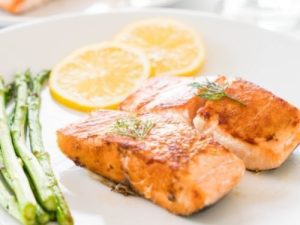
 Here are some things you can do to help lower your cholesterol:
Omega 3
Increasing your intake of omega 3 fatty acids helps to increase the levels of ‘good’ fatty acids within the blood (HDL) and can even lower ‘bad’ cholesterol (VLDL and LDL). Increasing omega 3 content also helps to lower inflammation in the body and promote overall health.
Optimal dietary sources of omega include:
- Oily fish- Salmon, Trout, Mackerel, Tuna Steak, Sardines and Herring
- Grass Fed Meat and Dairy
- Walnuts and Flaxseeds (Whole, Powdered or Buttered)
- Beans
- Omega Fortified Dairy Products
If you struggle to consume omega 3 from the above dietary sources, supplements can be a valuable aid to ensure a consistent daily intake. Supplements from the list below will help to greatly increase your omega three content.
- Omega 3 Oil
- Cod Liver Oil
- Flaxseed Oil/Powder
Try to consume around 1-3g (1000-3000mg) of omega 3 a day.
Unsaturated Fats
Current evidence suggests that a high saturated fat content is linked to higher cholesterol levels. There are however new studies emerging suggesting that blood sugar and insulin levels may be of more concern in regards to cardiovascular risk. Despite this, and given current evidence, it is highly recommended that you increase your unsaturated fat content to gain the health benefits associated with these fats. Below is a list of foods high in unsaturated fats.
- Olive oil
- Nuts
- Seeds
- Avocado
- Oily fish
Dietary Fibre
Fibre is found in two main forms, soluble and insoluble. Whilst both are important for overall health, and are nearly always found together, it is soluble fibre which has the largest effect on lowering cholesterol levels. Soluble fibre interacts with bile in the intestines and via this mechanism reduces overall blood cholesterol levels. One type of soluble fibre often advertised is beta glucagon, commonly found in oats. Below is a list of foods which will increase your soluble fibre intake.
Optimal Dietary Sources of Soluble Fibre Include:
- Beans
- Oats
- Sweet Potatoes
- Figs
- Green Fibrous vegetables (Broccoli, Collard greens, Cabbage, Kale)
- Fruit and vegetables with skins on
If you again struggle to consume enough of these foods, supplementation with soluble fibre can be highly effective and easy way of increasing your intake.
- Psyllium Husks (Highly Recommended)
- Flax Seed
Try to consume a minimum of 20g of soluble fibre a day with a total dietary fibre intake of 30g+ a day to gain all of the health benefits and lower cholesterol.
Plant Sterols
Sterols are a plant equivalent of cholesterol. Due to the sterol being a similar shape to cholesterol, when ingested it is absorbed in the similar way as cholesterol. This similar absorption pathway means that the total amount of cholesterol absorbed by the body is reduced as some is replaced by sterols.
Optimal Dietary Sources Include:
- Almonds and other nuts
- Beans
- Broccoli, Sprouts, Cauliflower, Apples
- Oats and wholegrain products
Supplements:
- Benecol and other similar yoghurt drinks
- Plant sterol enriched butters, margarine, and orange juice